Women's Wellness · Kitchen Traditions

What Women Expect From Their Bodies vs. What Baking Soda e Gelatin Are Actually About

Expectations about the body shift year after year, but explanations rarely keep pace. Long before wellness trends existed, some kitchens quietly combined baking soda e gelatin as part of an everyday habit. This page looks at that tradition — not as a solution, but as a subject worth understanding.

Women's Wellness  ·  Natural Habits  ·  Educational Content  ·  Women's Wellness  ·  Natural Habits  ·  Educational Content

The Body Doesn't Change the Way We're Told It Does

Most conversations about weight focus on effort. Fewer focus on what is actually shifting underneath — structure, satiety signals, and habit patterns that traditional dieting rarely addresses.

Satiety Signals Aren't Fixed

How full a meal makes someone feel isn't purely willpower — it's influenced by texture, protein content, and habits built around meals, which is part of why simple pairings like baking soda e gelatin have stayed part of some kitchen routines.

Collagen Isn't Just a Skin Topic

Collagen is often discussed only in beauty contexts, but it's a structural protein connected to joints, connective tissue, and how the body is put together — not something that disappears or returns overnight.

Lean Mass Gets Overlooked

Scales measure weight, not composition. Conversations that only reference numbers on a scale tend to miss what's happening to lean mass over time.

Traditional Dieting Skips the Habit Layer

Calorie-counting approaches often ignore the fact that habits — what's on the counter, what's easy to reach for — shape behavior more than short-term restriction ever does.

Myths vs. Facts: Metabolism and Weight in Women

Some ideas about female metabolism persist simply because they’re repeated often, not because they hold up.

MYTH

Metabolism only slows down because of age.

FACT

Age plays a role, but activity level, muscle mass, and habit changes over time are equally relevant factors that are rarely discussed together.

MYTH

Any weight loss method works the same way for every woman.

FACT

Individual factors — hormonal patterns, sleep, stress, and existing habits — mean responses vary significantly from person to person.

MYTH

If the scale isn’t moving, nothing is happening.

FACT

Body composition, water retention, and lean mass can shift independently of total body weight, which is why the scale alone tells an incomplete story.

A Simple Framework for Building the Habit

This isn’t a plan promising a specific outcome — it’s a way of thinking about how small, consistent habits get built and maintained.

01

Step 1: Observe

Before changing anything, take note of existing patterns — what’s eaten, when, and how satiety actually feels across a normal day.

02

Step 2: Adjust One Habit at a Time

Rather than overhauling everything at once, a single small habit — like a consistent evening routine — is easier to sustain and evaluate.

03

Step 3: Stay Consistent, Not Perfect

Consistency over weeks tends to matter more than any single day’s choices. The goal is a routine that fits real life, not a rigid rulebook.

Where This Kitchen Habit Actually Comes From

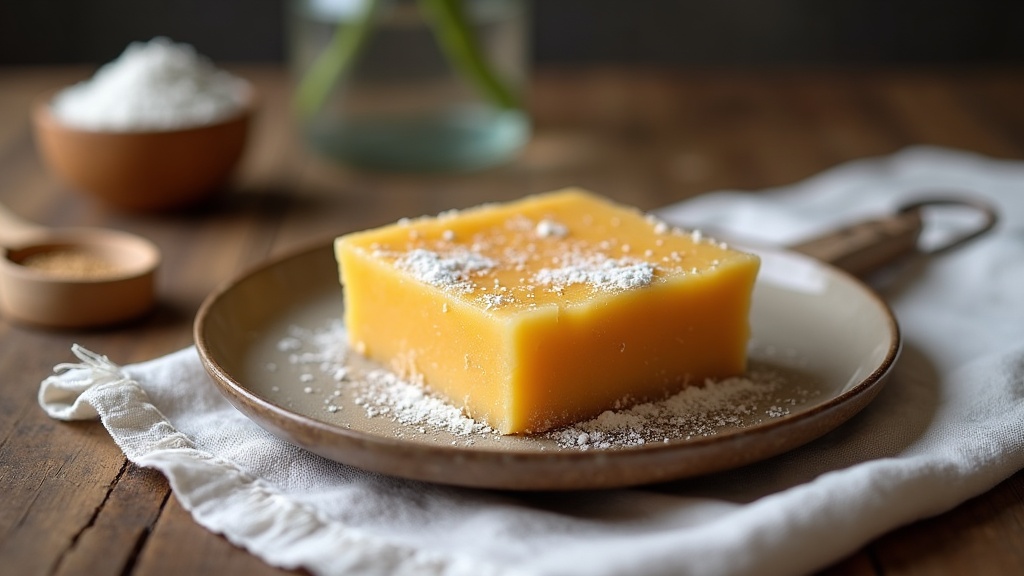
Long before supplements and powders lined store shelves, home cooks relied on gelatin as a basic pantry staple — used in broths, desserts, and traditional remedies passed between generations. Baking soda held a similar place, valued for its simplicity and versatility in the kitchen. The pairing of baking soda e gelatin isn’t a modern invention; it’s closer to a rediscovered habit that predates the wellness industry entirely.

Insight: many ‘discoveries’ in modern wellness are really old kitchen habits being described in new language — not evidence of something newly proven.

Signals Women Often Dismiss Too Quickly

⚠️ Persistent Hunger Between Meals

Feeling hungry shortly after eating can point to meals lacking enough protein or fiber to sustain satiety, rather than simply eating 'too little.'

⚠️ Changes in Skin Texture

Skin changes are often chalked up to aging alone, but hydration, protein intake, and structural components like collagen all play a role.

⚠️ Joint Stiffness After Activity

Occasional stiffness is frequently dismissed as normal wear, though it can also reflect connective tissue factors worth paying attention to.

⚠️ Weight Fluctuations Without Clear Cause

Day-to-day weight shifts are common and usually reflect water retention or digestion — not necessarily fat gain or loss.

⚠️ Afternoon Energy Dips

A predictable slump midday can be tied to meal composition and timing rather than simply 'needing more sleep.'

⚠️ Brittle or Slow-Growing Nails

Nail changes are frequently overlooked as a minor cosmetic issue, even though they can reflect broader nutritional patterns.

What Some Women Have Shared About the Habit

I didn't expect a kitchen habit to make me pay more attention to how I actually feel day to day, not just what the scale says.

Renata M.
Illustrative account
It wasn't about a dramatic change — more about noticing small things I'd ignored for years, like how full I actually felt after meals.
Juliana P.
Illustrative account
Learning the traditional background behind it made the whole habit feel less like a trend and more like something worth understanding properly.
Camila T.
Illustrative account

These are individual accounts shared for illustrative purposes. Names are fictitious. Individual results may vary, and these statements do not represent a guarantee of any specific outcome.

Frequently Asked Questions

Hydrolyzed gelatin is gelatin that has been broken down into smaller components, typically through processing with heat or enzymes, making it easier to mix and dissolve. It originates from the same collagen-based sources as traditional gelatin.

This page is educational in nature. It discusses a traditional kitchen habit involving baking soda and gelatin without naming or endorsing a specific commercial product.

No. Nothing here should be treated as a substitute for professional medical guidance, a balanced diet, or an active lifestyle.

Collagen is a structural protein found throughout the body, including skin, joints, and connective tissue — areas that are frequently discussed in the context of women’s wellness.

This content does not claim proven outcomes. It presents historical and educational context about a traditional habit, not clinical claims.

This page is written for women generally interested in wellness education and traditional habits, without targeting any specific age group.

The linked video expands on the historical and educational context introduced here in more detail.

Curious About the Full Explanation?

The video goes deeper into the tradition behind baking soda e gelatin, how satiety and collagen fit into the bigger picture, and why this old kitchen habit still gets mentioned today.

Advertising Disclosure: This page contains sponsored content and affiliate links. We may receive compensation if you choose to click on links or make a purchase through links on this page. This helps support the operation of this website.

Content Disclaimer: This content is provided for educational and informational purposes only. It has not been evaluated by the FDA. Nothing on this page is intended to diagnose, treat, cure, or prevent any disease. Always consult a qualified healthcare professional before making changes to your diet, habits, or wellness routine.

Results Disclaimer: Individual results may vary. Testimonials shared on this page reflect personal experiences and are not a guarantee of specific outcomes for any individual.

© 2026 · All Rights Reserved · Questions? Visit /contact/